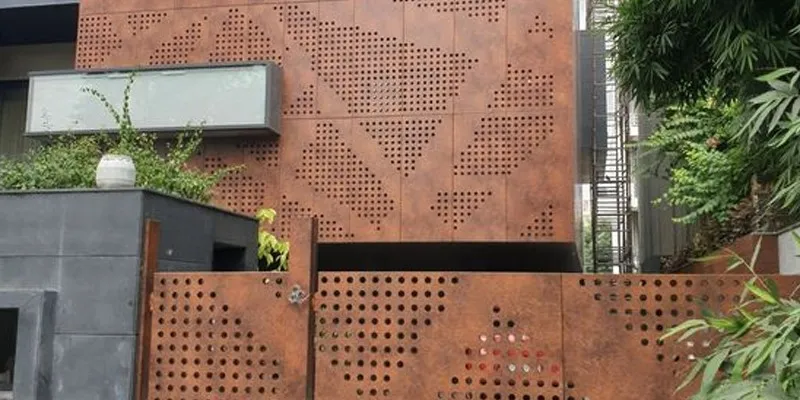
Cladding Type
Jan 18, 2024
Leave a message
What are the different types of facade cladding?
Choosing the right façade for your next commercial building project will not only make the building stand out with a stunning appearance, but it will also protect the building from harsh weather and extend the life of the structure.
There are several types of facades to choose from, each with their own unique benefits. Which façade is best for your next project? We've detailed some of the more common exterior cladding materials below.
Aluminum cladding (panels and ACM)
Aluminum cladding is lightweight, designed for versatility, and available in a wide range of colors and finishes.
The two most common types of aluminum cladding are aluminum sheet and aluminum composite material (ACM). Aluminum plate is a high-strength, lightweight aluminum alloy sheet with corrosion resistance and excellent formability.ACM is a lightweight flat sheet consisting of two thin sheets of aluminum bonded to a non-aluminum core, designed for interior and exterior applications.
Brick Cladding (Masonry)
Brick cladding or masonry has been used for centuries as protection for the exterior of buildings. It is resistant to fire and the harshest weather conditions, easy to clean and maintain, and its installation includes a gap between the cladding and the exterior wall for proper ventilation.
Brick cladding also offers a wide range of design possibilities and is available in a variety of colors, finishes and styles that can give any building a truly unique look.
Sintered ceramic cladding
Made by grinding different natural materials and then using heat and pressure to compact them into a solid slab, sintered ceramics can form extremely durable, lightweight cladding panels - panels with a lifespan of decades - and allow for a variety of unique designs.
Fiber cement cladding
Fiber cement is an economical choice for projects that require high quality performance and durability similar to cladding made of brick or wood. Produced in the form of spacers, fiber cement siding is typically manufactured using a mixture of water, cement, sand and cellulose fibers. The material provides excellent natural protection, is often durable, and requires little overall maintenance.
Glass Cladding
Glass cladding has an unrivaled appearance and offers several advantages when applied to the exterior of commercial buildings. Glass building exteriors are lightweight, resistant to harsh environments, energy efficient and offer architects a vast array of design options. Glass cladding can be installed using a number of different systems including curtain walling, window walling, store fronts and as part of rain screens.
Laser Cutting Aluminum Facade

Metal Facade Panels

Perforated Facade Panels