


How to Choose Corten Steel Cladding? Types of Corten Facade Panels
Mar 27, 2026
Leave a message

Modern Corten Steel Cladding is widely used in architecture for its durability and unique rusted appearance. However, many builders and purchasers are unsure which size or type of corten metal cladding to choose. Selecting the right type and specifications is crucial for ensuring long-term performance and aesthetic appeal.
In this article, we will explain how to choose weathering steel cladding, as well as the types of weathering steel exterior wall panels available in Gneegarden.
What is corten steel cladding?
Corten steel cladding refers to exterior or interior panels made from weathering steel (corten steel), a special type of alloy steel. Unlike regular steel, corten steel does not require painting. Its surface develops a natural patina over time, which protects the material from further corrosion.
Advantages of Corten Facade Panels
1. Self-Protective Oxidation Layer
When exposed to air, corten steel siding forms a dense, tight rust-colored patina. This layer keeps moisture and oxygen out, stops further rust, and delivers strong corrosion resistance with very little maintenance.
2. Evolving Aesthetics Over Time
Corten steel cladding changes color slowly: from an early gray-blue, to warm orange-red, and finally to a steady deep rust brown. This natural color shift brings unique industrial beauty.
3. Minimal Maintenance Requirements
After the surface oxide layer stabilizes, corten facade panels need no painting, sealing or rust cleaning. Only basic drainage upkeep is required.


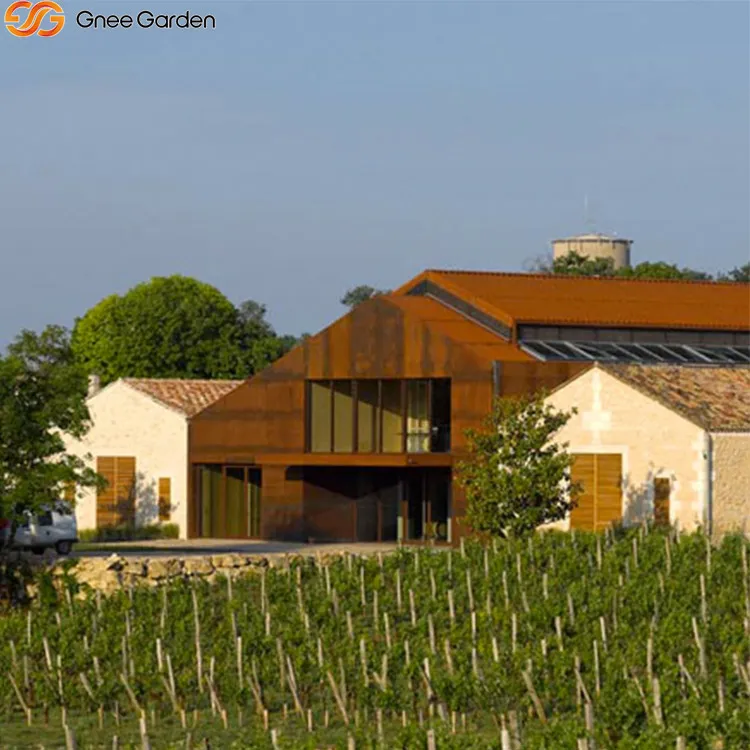
If you are looking for a reliable Corten Facade Cladding Supplier/manufacturer , Gnee Garden offers consistent quality control, fast production, and worldwide delivery. We can also provide custom services.
Types of corten facade panels
Corten facade panels come in a few main profiles. The right one depends on the look you want, how the wall is built and how much detail the design needs.
Flat sheet panels: A clean, uninterrupted surface with a sharp, modern look. Suitable for most facades, especially where the joints are designed to be discreet. Best for contemporary buildings and simple walls.
Corrugated panels: They suit industrial, warehouse or rustic designs, and they can help the panel span slightly further between supports.
Laser-cut panels. Patterns cut through the steel create a decorative face, with light and shadow that change through the day. Suitable for feature walls, entrances and screens. See our overview of laser-cut corten facade cladding for pattern options.
Perforated panels: Regular holes give a lighter, more open effect and allow some airflow. Suitable for ventilated walls and where some transparency is wanted.
Rainscreen panels: Designed to sit in front of a ventilated cavity, so that water drains behind the panel and the cavity dries out. Best for projects that need a well-ventilated build-up.
Not every profile is suitable for every project. Ask us which type fits your building, and we will confirm what we can produce.
How to choose the right type for your project
Start with four questions. What look do you want: plain, textured or patterned? How is the wall built: is there a ventilated cavity? How exposed is the site to wind and rain? How much access will the building have for maintenance? Your answers narrow the choice. A flat or ribbed panel suits most walls. A laser-cut or perforated panel suits feature walls and screens. A rainscreen system suits buildings where the wall must drain and ventilate properly.
How to Choose Corten Steel Cladding? - Common Thickness Specifications
1. 1.5–2 mM (Thin Panels)
Applications: Most building exterior siding, including residential facades, commercial curtain walls, and rainscreen systems.
Features:
- Lightweight and easy to install
- Lower cost
- Not suitable for structural use
2. 2–3 mM (Light Exterior Use)
Applications: Corten metal cladding is widely applied in residential exterior walls, small facade projects and fence panels.
Features:
- Good balance of strength and weight
- Suitable for most light-duty outdoor uses
- Cost-effective choice
3. 3 mM and above
Applications: Scenarios demanding extreme rigidity, such as large unsupported panels, structural building components, or high-wind/impact-risk zones (e.g., coastal hurricane regions, heavy industrial sites).
Features:
- Excellent durability
- Widely used in construction projects
- Strong resistance to deformation


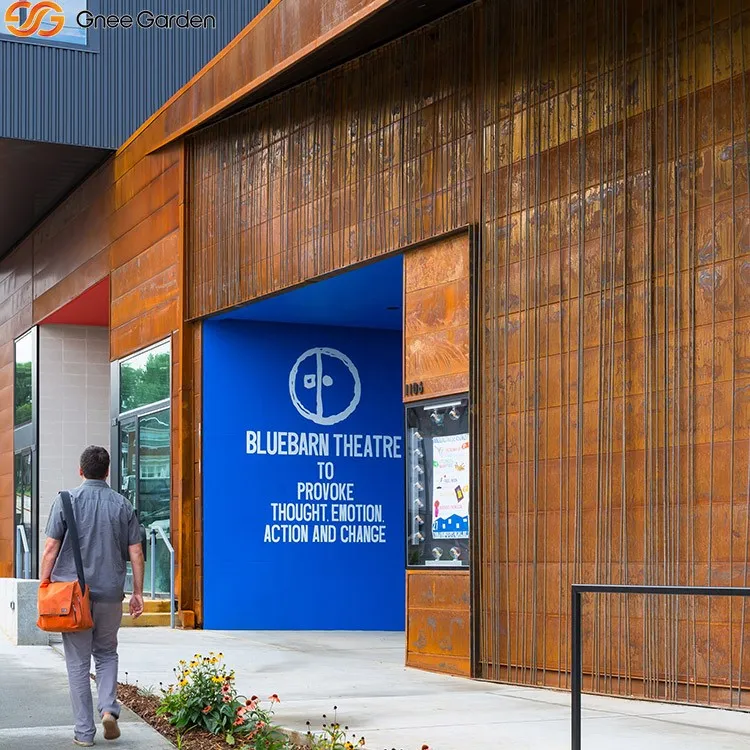
How to choose the thickness of Corten Steel Cladding?
Choosing the right thickness depends on the project type, environment, and design needs. Key factors include:
- Project Scale: Larger buildings or structural panels need thicker steel for strength.
- Panel Function: Decorative panels can be thinner; load-bearing or facade panels need more thickness.
- Environmental Conditions: Areas with strong wind, heavy rain, or extreme weather require thicker panels.
- Installation System: Consider the support structure; thin corten panels may need extra framing.
- Budget & Cost: Thicker steel increases material and installation costs.
- Tip: For most residential or decorative applications, 2–3 mm is sufficient; for commercial or structural use, 3–6 mm or more is recommended.
Quick Selection Guide
| Thickness | Best For | Key Advantage |
|---|---|---|
| 1.5–2 mm | Decorative / indoor | Lightweight |
| 2–3 mm | Residential exterior | Cost-effective |
| 3 mm and above | Building facades/Large projects | Stable/High strength |
How to Build and Install Corten Steel Siding Panels?
Measure & Plan
Take accurate measurements of the wall, including special structures and angles. Design the layout of corten wall cladding.
Safety Precautions
Prepare complete protective equipment before construction: Safety glasses, gloves and earplugs are essential for metal installation work.
Gather Tools & Materials
- Prepare corten steel cladding and basic tools: metal shears, power drill, screws and corrosion-resistant fasteners.
- Cut to Size: Cut the Corten panels to the required size with metal shears or a metal-cutting circular saw.
- Prepare for Installation: Pre-drill evenly spaced and aligned screw holes on the panels.
Install Your Corten Cladding Panels :
Install panels from bottom to top. Fix each panel firmly through pre-drilled holes with corrosion-resistant screws; properly overlap panels to enrich texture and improve durability.
Check Detail
Check all gaps and edges to keep corten facade panels aligned and flush. Add trim or capping parts to beautify the appearance and protect corten steel cladding from outdoor weather damage.
Want to Get Your Own Corten Steel Panels? Click to Customize!
Why choose Gnee garden?
Gnee Garden is a reliable manufacturer and supplier of corten steel cladding, offering quality products and professional service for global projects.
- High Quality Materials – Durable weathering steel with stable performance
- Custom Solutions – Sizes, thickness, and designs tailored to your needs
- Strict Quality Control – Every panel is carefully inspected
- Fast Delivery – Efficient production and worldwide shipping
- Competitive Price – Factory-direct supply to save your cost

